Toy Poodle Q&A
What makes a Toy Poodle so special?
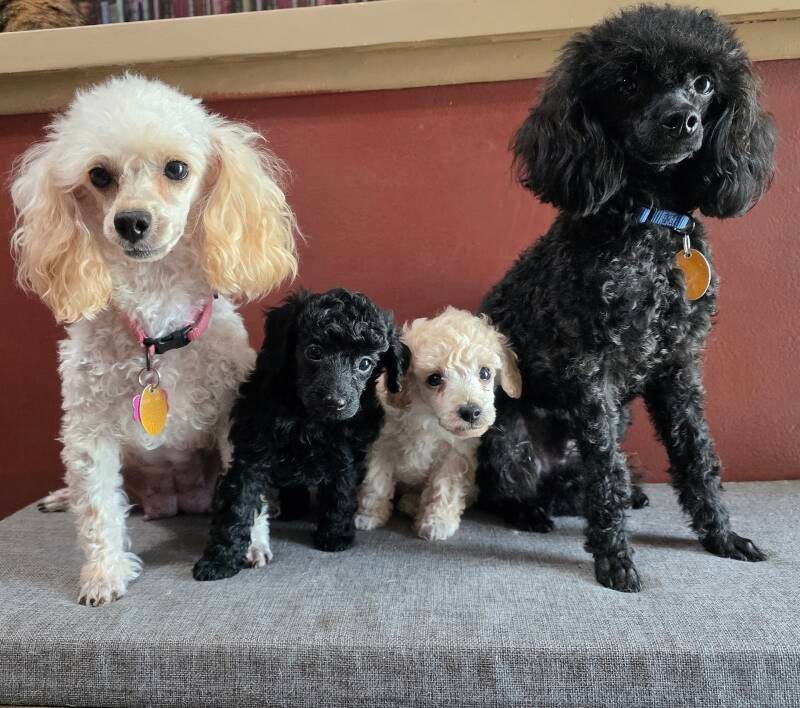
Toy Poodles stand out from other breeds due to their incredibly affectionate, human-focused nature. They act like tiny, loving shadows, always wanting to be involved in every part of your day. Their playful spirit makes them wonderful companions, bringing joy and laughter into any home. We simply adore their intelligence and unwavering loyalty.
What is the average lifespan of a Toy Poodle?
The average lifespan of a Toy Poodle is 10 to 18 years.
Do Toy Poodles shed or are they hypoallergenic?
Toy Poodles shed very little and are widely considered hypoallergenic, though no dog is 100% allergy-free.
Do Toy Poodles have health problems?
Yes, Toy Poodles are prone to specific health problems, including dental disease, patellar luxation, and hormonal disorders.
Dental Disease: Small mouths crowd teeth together, which traps plaque and tartar easily.
Patellar Luxation: The kneecap slips out of its normal groove, causing pain or limping.
Tracheal Collapse: Weak windpipe cartilage can flatten and lead to a chronic dry cough.
Eye Conditions: Progressive retinal atrophy (PRA) breaks down eye cells and can cause blindness, while cataracts cloud the lens.
Cushing's Disease: Overproduction of the hormone cortisol by the adrenal glands causes increased thirst, appetite, and hair loss.
Ear Infections: Long, curly ear hair traps moisture and debris inside the ear canal
This is why health testing is important when it comes to breeding Toy Poodles. Health testing helps us make thoughtful, informed breeding decisions and gives us a better understanding of the conditions that may be passed from one generation to the next. While testing cannot guarantee that a dog will never develop a health condition, its is an important part of responsible breeding and our commitment to raising happy healthy puppies.

Hows a Toy Poodle's personality?
A Toy Poodle is a smart, lively, and affectionate small dog with a big personality. They are among the smartest dog breeds, quickly learning tricks and rules. They bond closely with their humans becoming "Velcro dogs", thriving on companionship and preferring to be by your side. With a fun-loving energy, they enjoy games, toys, and interactive playtime. Toy Poodles are also alert, making enthusiastic watchdogs by barking at new sounds or visitors. They carry themselves with a proud, graceful posture, almost as if they know how good they look.
Are Toy Poodles good family dogs?
Toy Poodles can make wonderful family pets because they are affectionate, small size, highly intelligent, low shedding, and adaptable to different home sizes.
Do they require a lot of exercise?
They don't need hours of intense exercise, but they do benefit from daily walks, playtime, & mental stimulation.
How big does a Toy Poodle get?
A full-grown Toy Poodle stands 10 inches or less at the shoulder and typically weighs between 4 to 7lbs. Also, there is no such thing as a 'teacup' Poodle. AKC only recognize Toy, Miniature, & Standard. 'Teacup' is just a marketing term for unethical breeders who charge more money for smaller dogs.
What are the cons of owning a Toy Poodle?
The main downsides of a Toy Poodle include high grooming requirements, physical fragility, a tendency toward separation anxiety, & they are a vocal breed. They love to alert to possible intruders or bark when they're excited playing around, and their vulnerability to specific dental and joint problems.
Do you breed mixes or carry merle?
I'm very dedicated to preserving all the best qualities of the Toy Poodle. As a responsible breeder, its my job to do everything correctly and safely. I do not breed or use our Studs to make Doodles or any other mixes. Our Studs are also strictly used for approved female Toy Poodles only. We also don't breed our Toys to other types of Poodles like Miniature or Standards for the safety of all dogs. We proudly do not carry the Merle gene in our program as its not a natural color for Poodles. We believe in preserving the traditional Toy Poodle coat colors and prioritizing thoughtful, health-conscious breeding practices.
What we do carry is Black, White, Cream, Red, Apricot, Phantom, & Parti
Do Toy Poodles require a lot of maintenance?
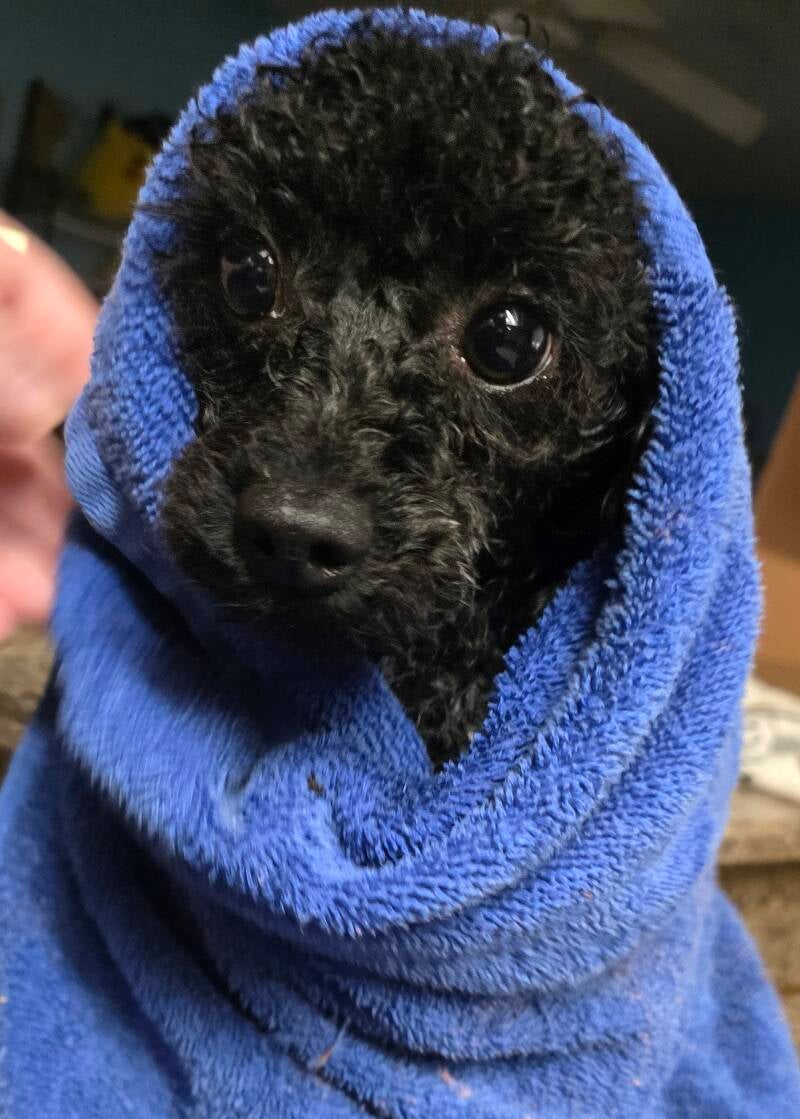
YES! It's important to be aware of their specific care requirements. Their dense, curly coats need brushing 3 to 4 times a week, or even daily, to prevent painful matting. Professional grooming, including a haircut and bath, is essential every 4 to 6 weeks. Their floppy ears require weekly cleaning, and nails need regular trimming. Regular teeth brushing is also important to prevent dental problems.